
The safest way to add AI to business software in Nepal is to pick one repetitive, high-volume task, define how you will measure success, test a model on your own real examples, keep a person in the loop for decisions that matter, and check data-privacy obligations before any customer data leaves your systems.
This guide is for owners and managers weighing an AI feature in an existing system such as billing, ERP or a customer portal. It reflects how we scope work as an AI development team in Kathmandu.
Start with the task, not the model
Most disappointing AI projects begin with the technology and look for a problem afterwards. Begin with a workflow instead: where do people spend hours on work that is repetitive, rule-like and high in volume? We make the same point in what AI software development looks like in Nepal right now. Then ask whether AI, simple automation or a process change is the cheapest fix. Sometimes it is not AI.
Use cases that tend to work
- Reading documents: pulling fields from invoices, bills, forms and ID documents into structured records for review.
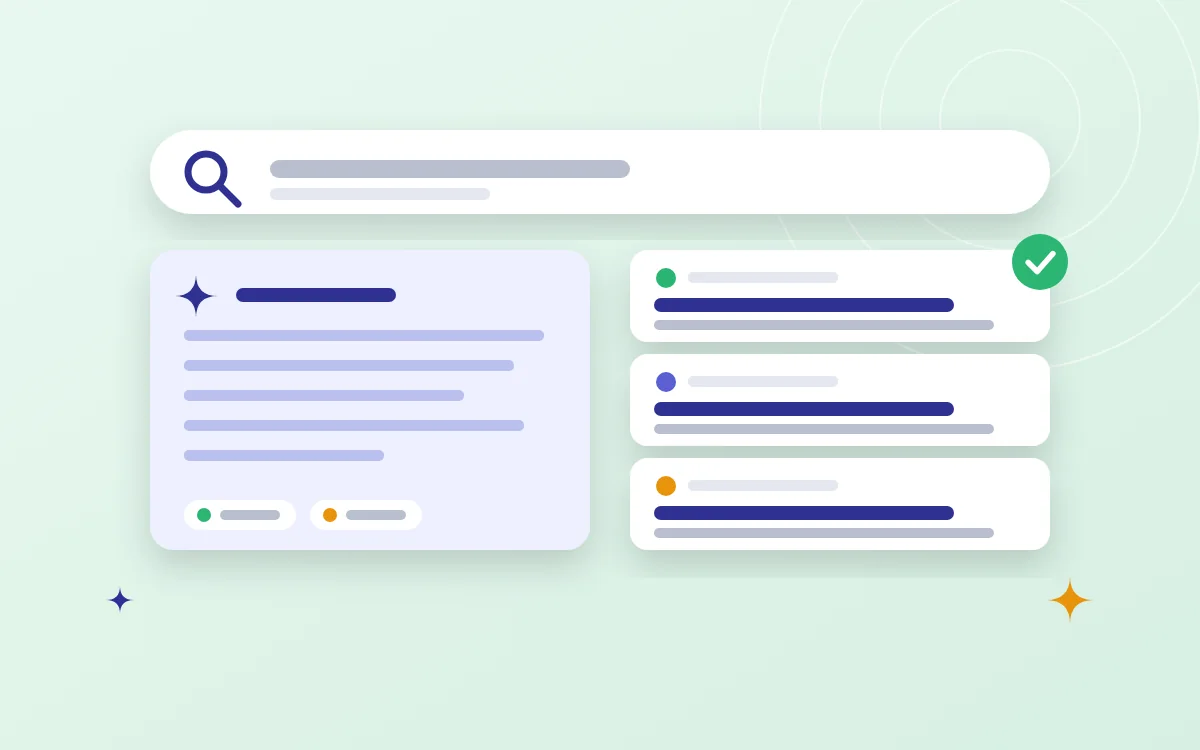
- Answering questions from your own material: a support or staff assistant that retrieves from your manuals, policies and product data and cites the source.
- Triage and routing: classifying incoming enquiries, tickets or emails and sending them to the right person.
- Summaries: condensing long reports, meeting notes or customer histories for a manager.
- Forecasting: predicting demand or cash flow from your own sales history.
- Search: letting staff find answers across scattered internal documents.
Use cases that need extra care
- Final decisions on credit, hiring, pricing or payments without human approval.
- Anything where a wrong answer is costly and hard to spot.
- Customer-facing assistants that can promise discounts, refunds or legal positions.
- Tasks involving highly sensitive personal or financial data, unless the data path has been reviewed.
How to scope an AI feature
- Define the task and the success metric. For example: extract invoice number, date and total with at least the accuracy your staff currently achieve.
- Collect real examples. Gather 50 to 100 samples of the actual inputs, including messy ones, with the correct answers.
- Set a baseline. Measure how long the task takes and how many errors occur today, so you can prove improvement.
- Prototype with an existing model. Test one or two candidates against your examples before building anything permanent.
- Design the human step. Decide what is reviewed, who approves, and how corrections are fed back.
- Integrate and secure. Connect the feature to your system with authentication, logging and cost limits.
- Monitor after launch. Track accuracy, cost and user feedback, and re-test when the model or your data changes.
Hosted API, open model or classic machine learning
There are three broad ways to run the intelligence. A hosted model API is quickest to start and usually the strongest on general language tasks, but your data is sent to a provider and costs scale with usage. An open model you host yourself keeps data under your control and gives predictable infrastructure cost, at the price of more engineering and maintenance. Classic machine learning such as a forecasting or classification model on your own tabular data is often cheaper, faster and easier to explain than a language model, and is the right tool for many business problems.
A good partner will recommend the option that fits your data sensitivity, volume and budget, not the most fashionable one.
The Nepali-language question
If your inputs are in Nepali, or mix Nepali and English, do not assume results will match English. Research models exist, such as the Nepali language models collection on Hugging Face, but they are small and task-specific, and general-purpose models vary in how well they handle Nepali. The reliable approach is to score each candidate on your own Nepali samples, and to keep a human check where accuracy matters. We cover the wider picture in our AI engineering guide.
Data privacy and rules
Nepal's Privacy Act, 2075 (2018) sets rules on collecting, storing and using personal information, and sector regulators may add their own requirements. The government's National AI Policy also signals more standards and governance to come, including an AI Regulation Council.
This is not legal advice, and you should confirm obligations for your sector with a qualified lawyer. As engineering practice, we recommend sending only the data a task needs, removing identifiers where possible, knowing where each provider processes data, and keeping an audit trail of what the AI produced.
Security of AI features
AI features add new ways to fail. A model can be tricked by instructions hidden in the text it reads, or can reveal information it should not. The OWASP Top 10 for LLM applications lists these risks, and the NIST AI Risk Management Framework offers a structured way to think about them. Limit what a model is allowed to do, validate its output before acting on it and never give it more access than the task needs.
What drives the cost
Rather than a headline price, look at the drivers, because they decide your budget:
- Usage-based charges that grow with volume, if you use a hosted model.
- Preparing and cleaning your data.
- Integration with your existing software.
- Building the evaluation set and review screens.
- Hosting and monitoring over time.
- Human review effort while the system earns trust.
We scope these in writing before development starts, so there are no surprises later.
Where AI fits in your existing systems
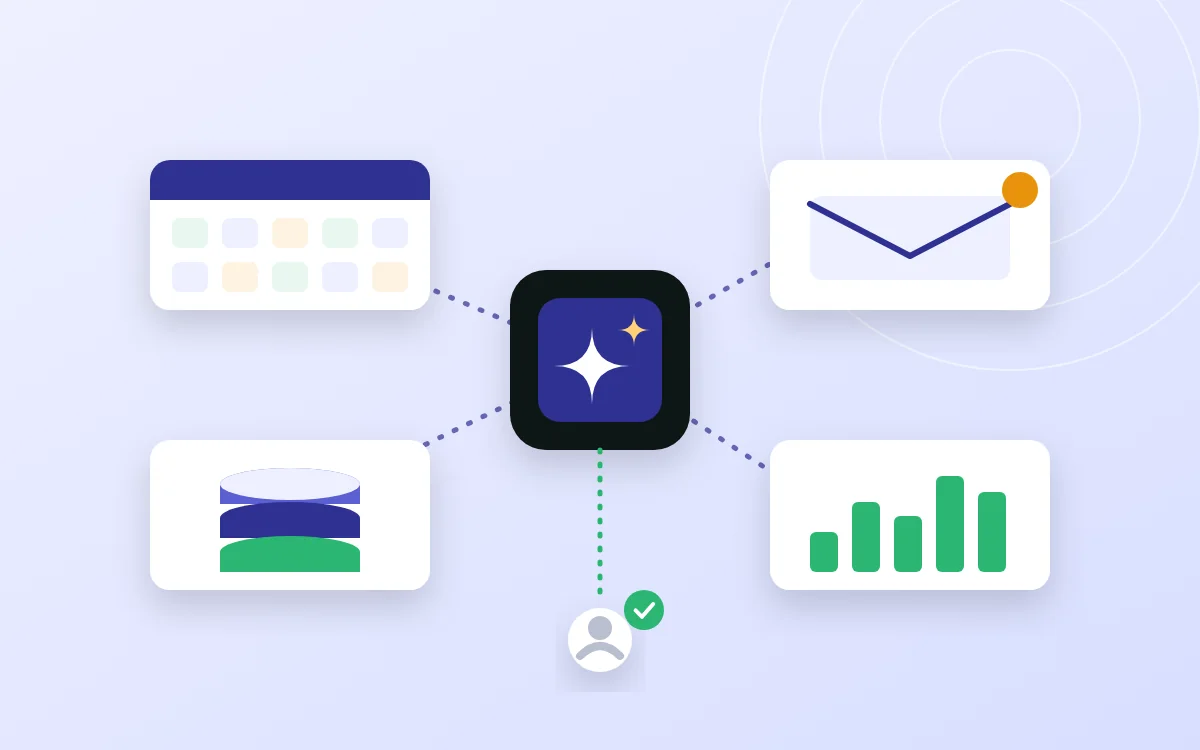
AI works best as a feature inside a well-built system, not as a separate toy. Document capture can feed your billing software; a retrieval assistant can sit on top of an ERP; and a planned rollout belongs in a wider digital transformation roadmap. If your current tools are the limit, a custom software build may come first.
Talk to us
If you have a task in mind, contact Kodedristi with a short description and a few sample inputs. We will tell you honestly whether AI is the right tool, what it would take, and how we would measure it.
Sources and further reading
- Law Commission of Nepal: The Privacy Act, 2075
- Kathmandu Post: Nepal rolls out ambitious AI policy
- OWASP: Top 10 for LLM applications
- NIST: AI Risk Management Framework
- Hugging Face: Nepali language models
Have a project in mind?
Tell us what you're trying to solve. Or keep reading: What AI Software Development Actually Looks Like in Nepal Right Now.